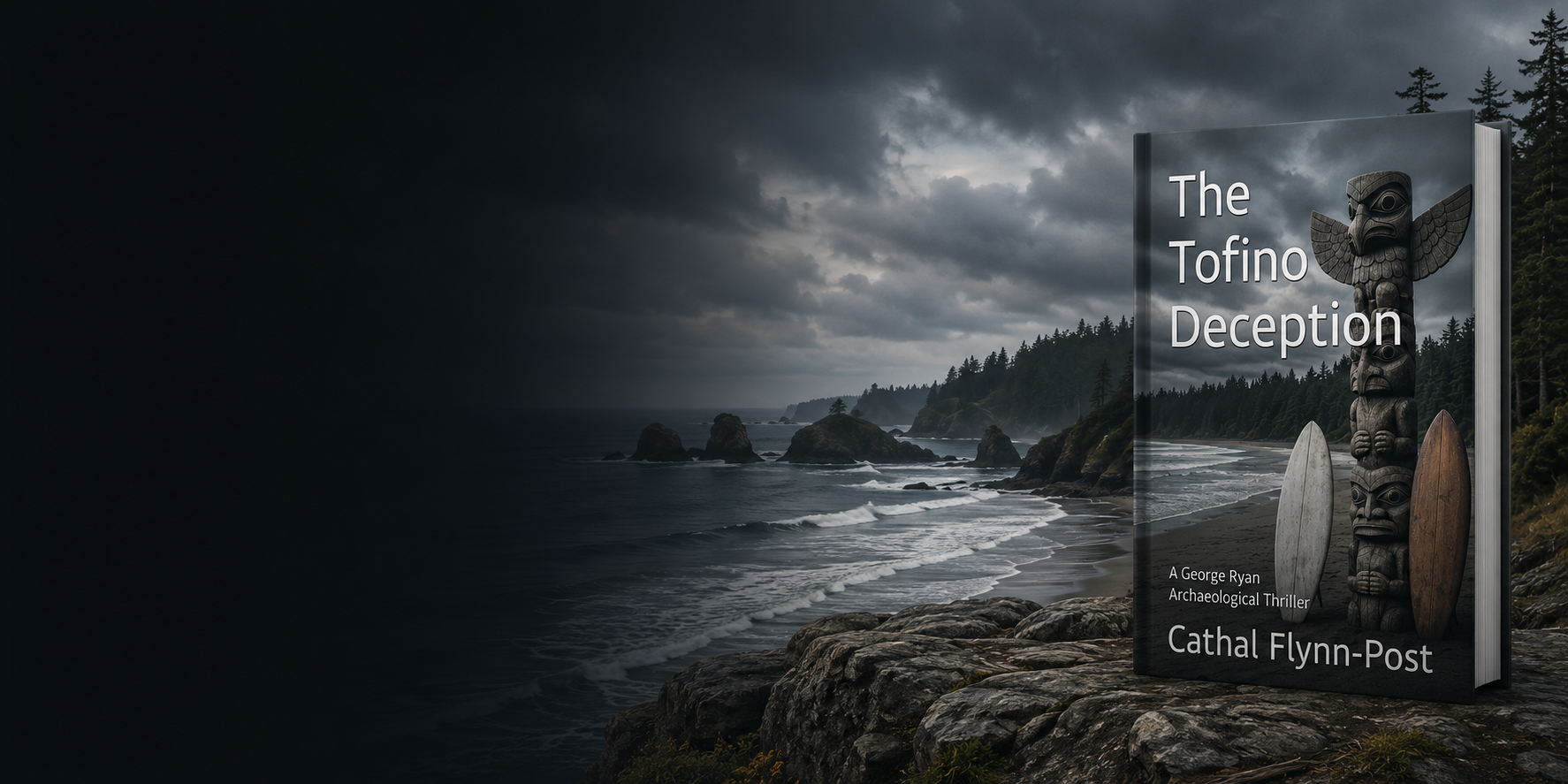
THE PLACES ❖ THE PEOPLE ❖ THE STORY
BEHIND THE DECEPTION AND THE ADVENTURE
EVERY STORY BEGINS SOMEWHERE. DISCOVER THE REAL PLACES, THE RICH CULTURE, AND THE WILD BEAUTY OF CANADA’S PACIFIC NORTHWEST THAT SHAPED THE TOFINO DECEPTION.
JOIN US AS WE GO BEHIND THE ADVENTURE!
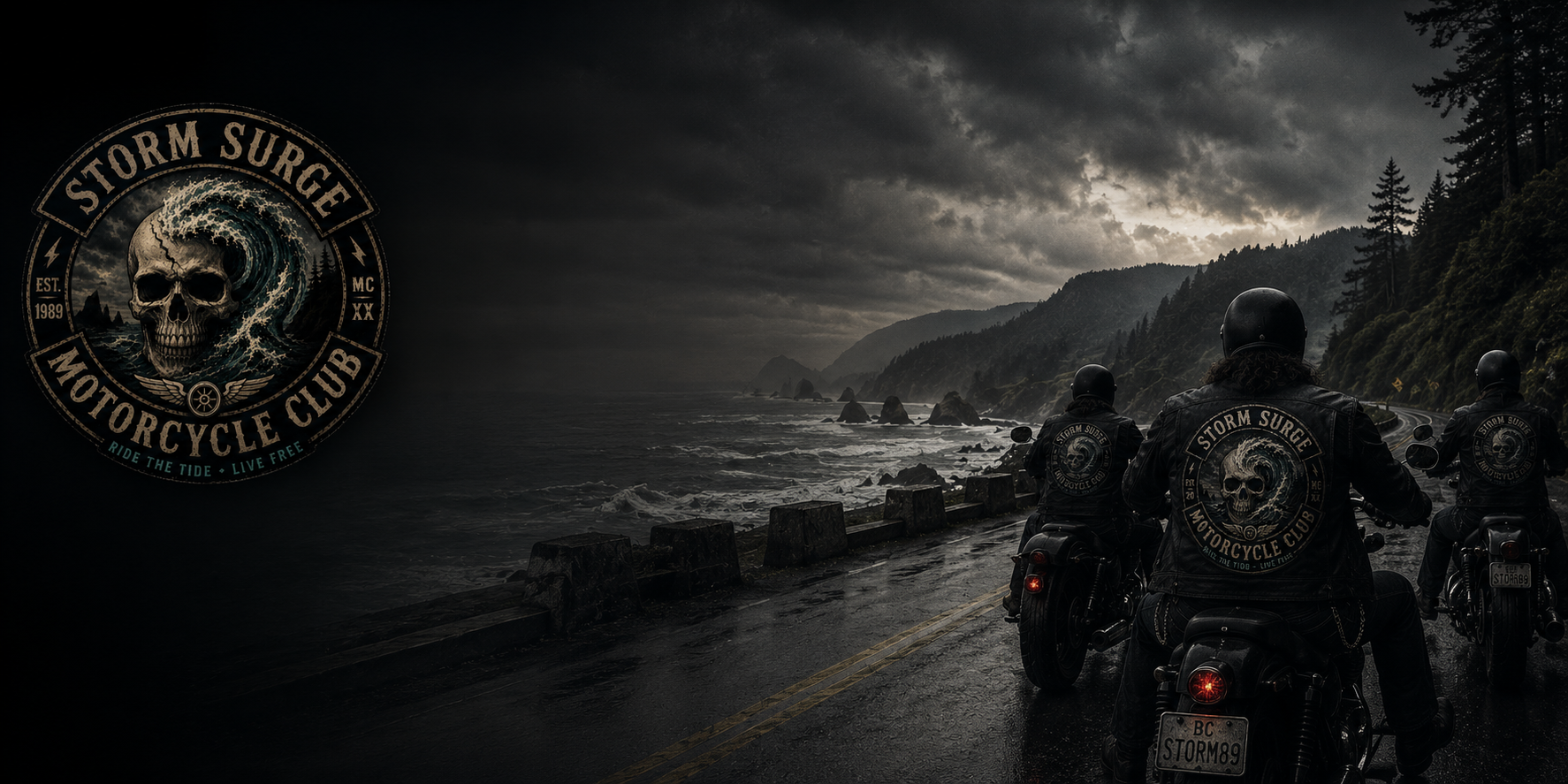
THE STORM SURGE MC
Founded in 1989, the Storm Surge Motorcycle Club is far more than a group of riders. Built on loyalty, integrity, and a fierce commitment to the communities of Vancouver Island, its members are the kind of people who answer the phone when others hesitate. Under the leadership of Liam "Hawk" Hawker, the club has earned a reputation for standing up to bullies, protecting those who cannot protect themselves, and never turning their backs on friends in need. When George's investigation uncovers a conspiracy that threatens the coast they call home, Hawk needs no convincing. As he tells George, "You call; we ride. That's still the deal."
Throughout The Tofino Deception, the Storm Surge MC becomes an invaluable part of the team. While George, Jazz, and the others unravel the mystery, Hawk deploys his riders as an informal intelligence network, quietly monitoring highways, logging roads, and harbours. Their presence alone is enough to make Tidecore's contractors think twice, and when intimidation fails, the Storm Surge members prove they are more than capable of standing their ground. Loyal, resourceful, and fearless, they embody the spirit of the Pacific Northwest, where community is measured not by words, but by actions.
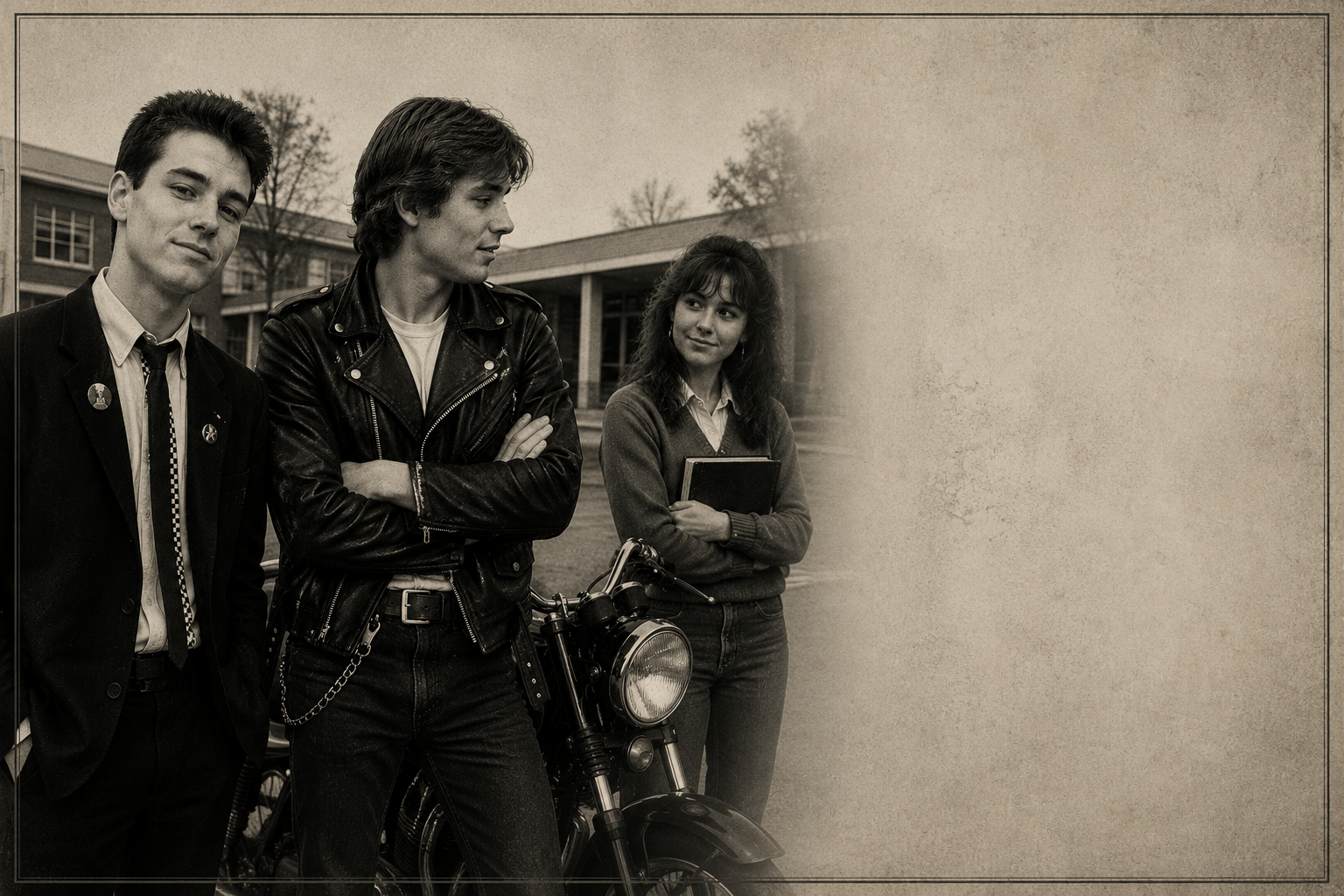
Hawk, George & Maeve
George and Liam "Hawk" Hawker share the kind of friendship that only years of mutual respect can build. Though their lives followed very different paths, George into technology and archaeology, Hawk into the brotherhood of the Storm Surge MC, neither has ever questioned the other's loyalty. When George finds himself facing powerful corporate interests, Hawk arrives without hesitation, bringing the full support of his club. There are no speeches or explanations needed. A quick embrace and the words, "You call; we ride," say everything about the trust they have built over the years.
Running quietly alongside the larger adventure is Hawk's long-overdue reunion with George's sister, Maeve. The two knew each other when they were younger, but life pulled them in different directions before either had the chance to discover what might have been. As George's friends gently tease Hawk about the feelings that never completely disappeared, it becomes clear that Maeve has never entirely forgotten him either. By the novel's conclusion, with Maeve helping expose Tidecore's deception and Hawk standing watch over the investigation, there is a sense that fate has finally brought them back into each other's orbit. What began as an old friendship hints at becoming something much more, setting the stage for future adventures.
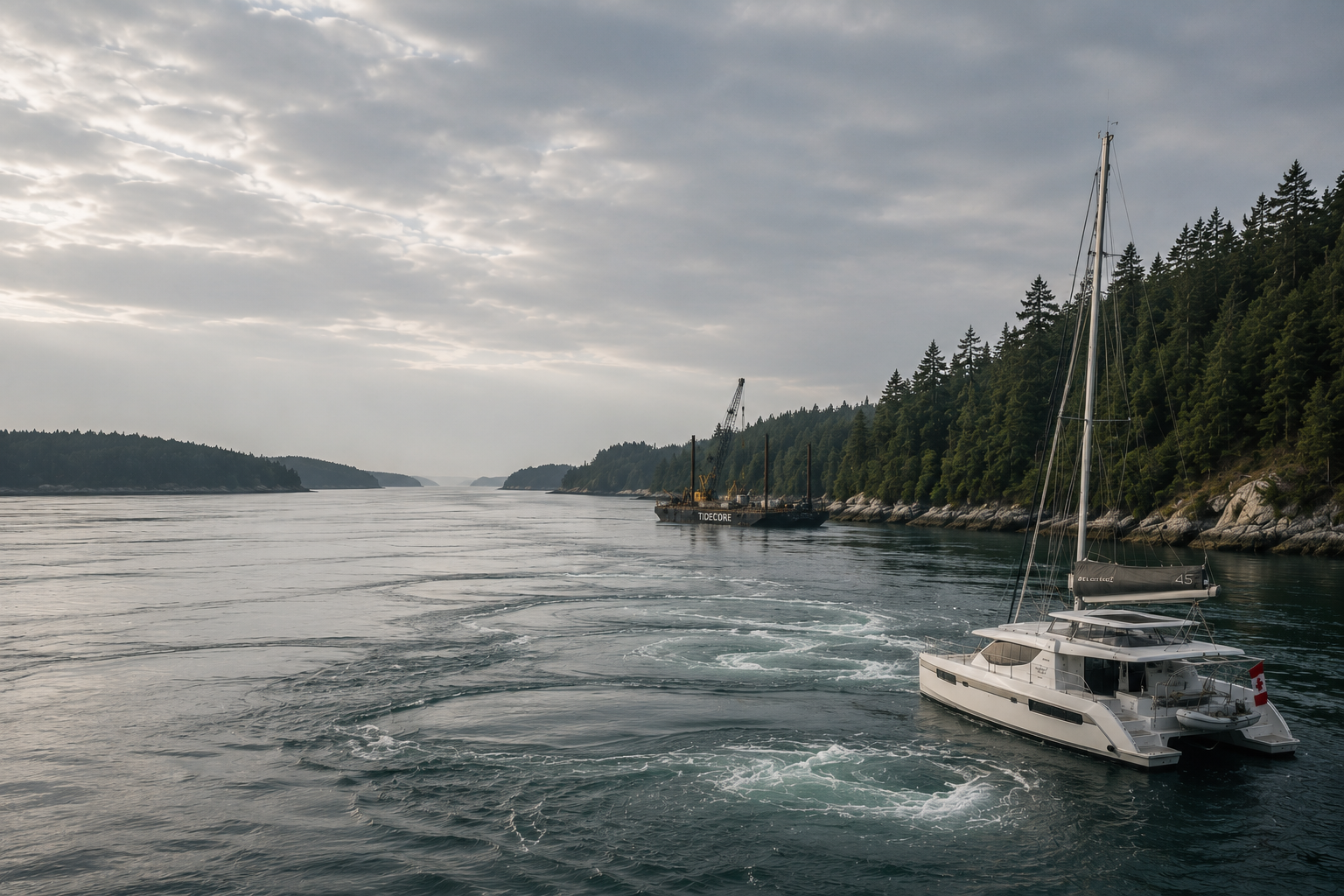
SEYMOUR NARROWS
Every novel in the George Ryan series begins with a question. The Tofino Deception began with a conversation.
While vacationing in the Florida Keys, Marcie and I spent a week aboard our friends Lori and Brian's beautiful 45-foot Leopard catamaran. Evenings were often spent talking about travel, history and the places that might one day become the backdrop for another adventure. When I mentioned that my next novel would be set on Vancouver Island, the conversation naturally drifted north to Seymour Narrows. Brian described the powerful tidal currents, the infamous whirlpools and the remarkable precision required to navigate the passage safely. By the end of that discussion, I knew George Ryan wouldn't be travelling by road. He would be arriving by sea.
That single conversation became one of the foundations of The Tofino Deception. George, Áine, Jazz and Irene would explore British Columbia aboard a Leopard 45 catamaran, allowing them to experience the Inside Passage from a perspective few visitors ever do. It also created the perfect setting for an archaeological thriller. Unlike an isolated island or remote forest, Seymour Narrows is alive with constant movement. Commercial vessels, fishing boats, pleasure craft and powerful tidal currents all share one of Canada's most fascinating stretches of water, making it an ideal place for secrets to hide in plain sight.
The history of the narrows is discussed in depth in the book.
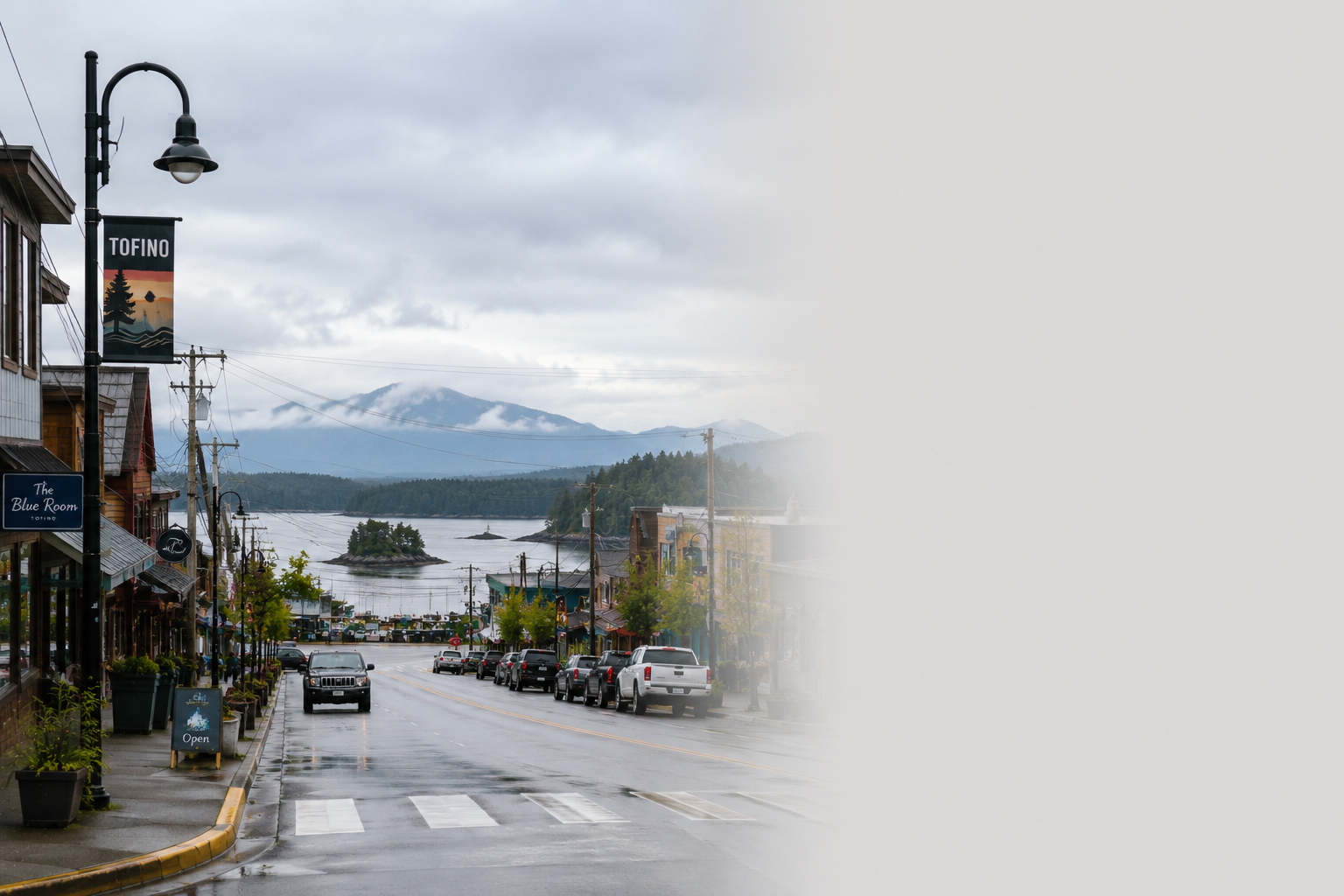
Tofino: Where the Ocean Shapes Everything
Tucked away on the rugged west coast of Vancouver Island, Tofino is one of Canada's most distinctive coastal communities. Surrounded by the Pacific Ocean, ancient temperate rainforest and the sheltered waters of Clayoquot Sound, it has long been a place where life is dictated by the tides, the weather and the sea. What began as a small fishing and logging settlement has evolved into an internationally recognized destination, attracting visitors who come to experience its dramatic landscapes, wildlife and world-class surfing. Despite its growing popularity, Tofino has retained the relaxed character of a small coastal town, where board shorts and rain jackets are equally at home on the main street.
Surfing arrived in Tofino during the late 1960s and early 1970s, when a handful of adventurous surfers discovered that the Pacific swells breaking along Long Beach, Cox Bay and Chesterman Beach rivalled some of the best waves on the continent. At the time, riding icy Canadian waves was considered almost unthinkable, but improvements in wetsuit technology opened the door to year-round surfing. Today, Tofino has become Canada's surfing capital. Local surf schools, independent board shapers and a vibrant community of surfers have created a culture that values respect for the ocean as much as the pursuit of the perfect wave. Winter storms now draw experienced surfers from around the world, while the calmer summer months welcome newcomers eager to catch their first ride.
Long before surfers discovered these beaches, this coastline was home to the Tla-o-qui-aht First Nation and neighbouring Nuu-chah-nulth peoples, whose connection to the land and sea stretches back thousands of years. Their history is woven into every inlet, island and beach around Clayoquot Sound. Skilled mariners, whalers and fishermen, the Nuu-chah-nulth developed an intimate understanding of the Pacific, navigating waters that continue to command respect today. Their traditions, stories and stewardship remain an essential part of Tofino's identity, reminding visitors that this remarkable landscape is not simply a destination, but a homeland with a rich and enduring cultural history.
For The Tofino Deception, Tofino offered everything an archaeological thriller could ask for. The untamed coastline, powerful Pacific swells and dense coastal forests create a setting where ancient history and modern conflict can exist side by side. Beneath the beauty lies an environment shaped by immense natural forces, hidden coves, forgotten stories and waters that have both protected and concealed their secrets for centuries. It is the perfect backdrop for George Ryan's next adventure, where every tide has the potential to reveal something that was never meant to be found.
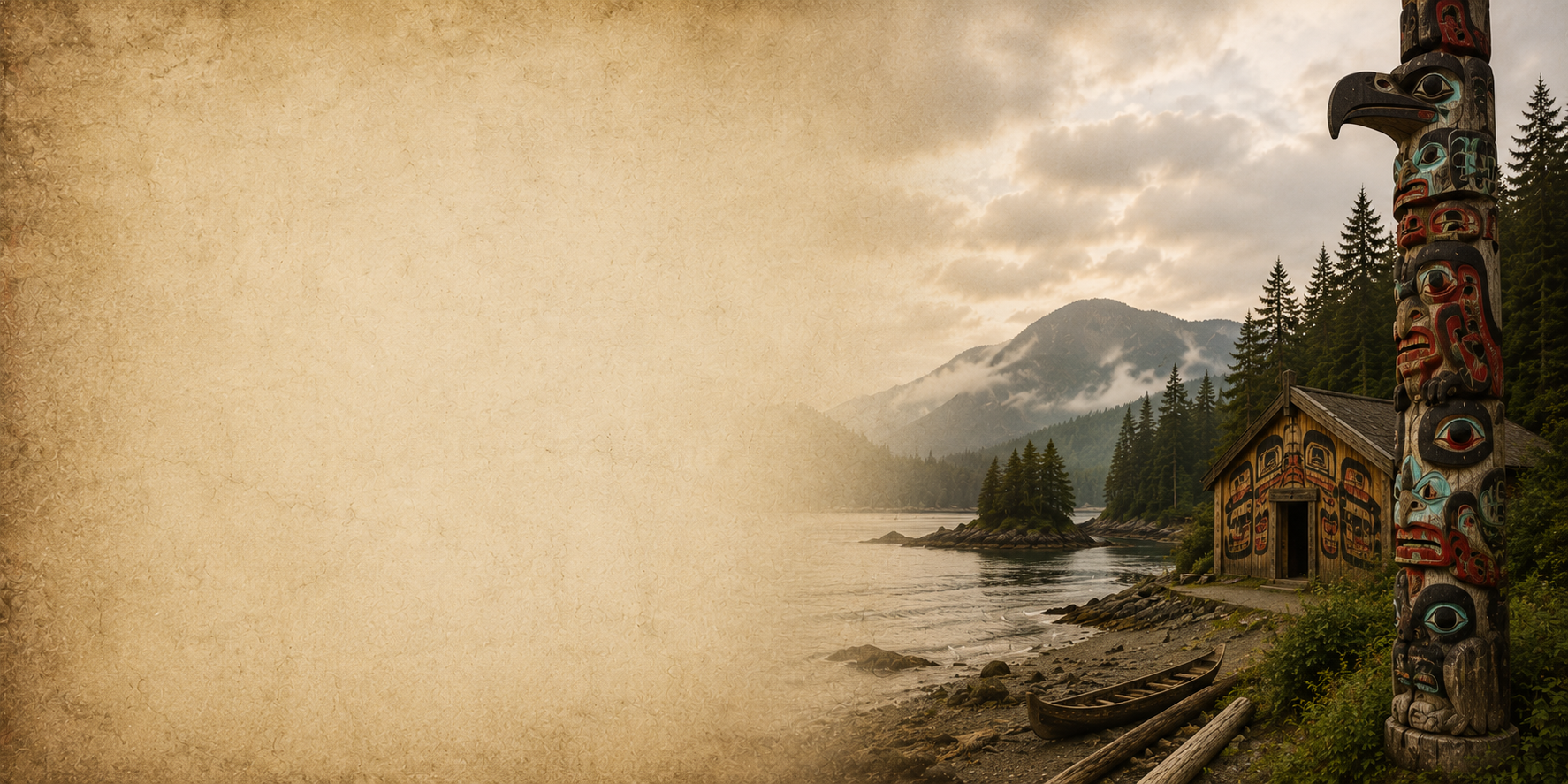
The First Keepers of the Coast
Long before explorers, settlers or surfers arrived on Vancouver Island, the west coast was home to the Nuu-chah-nulth peoples, whose ancestors have lived along these shores for thousands of years. Among them are the Tla-o-qui-aht First Nation, whose traditional territory encompasses present-day Tofino and much of Clayoquot Sound. Their lives have always been inseparable from the Pacific Ocean. Master canoe builders, skilled navigators and accomplished whalers, they developed a profound understanding of tides, currents and weather that allowed them to thrive in one of North America's most challenging coastal environments. Every inlet, reef and island carries generations of stories, knowledge and cultural significance.
Like Indigenous communities across Canada, the Nuu-chah-nulth endured generations of disruption through colonial policies, the residential school system and the suppression of language and cultural traditions. Yet despite these hardships, their communities have preserved and revitalized their language, art, ceremonies and connection to the land. Today, the Tla-o-qui-aht and neighbouring First Nations play a leading role in protecting Clayoquot Sound, balancing economic opportunity with stewardship of one of the most ecologically significant regions on the Pacific coast. Visitors to Tofino quickly discover that Indigenous culture is not confined to museums. It is a living part of the community, reflected in its artwork, governance, environmental leadership and enduring relationship with the ocean.
That living history became an essential part of The Tofino Deception. While the novel is a work of fiction, it is grounded in the belief that the oldest stories often belong to those who have known a place the longest. George Ryan's investigation repeatedly returns to the idea that history is more than artifacts buried beneath the ground. It is carried in oral traditions, place names and generations of knowledge passed from one family to the next. As the mystery unfolds, the team's greatest discoveries come not from imposing modern interpretations on the landscape, but from learning to see Vancouver Island through the eyes of those who have called it home for millennia.
For me, researching the Indigenous history of Vancouver Island was every bit as fascinating as exploring its archaeology and dramatic coastline. It served as a reminder that every great adventure begins by listening to the people whose stories have shaped the land long before ours.
RETURN TO
THE TOFINO DECEPTION