BEHIND THE
DONEGAL
CIPHER
A SECRET BURIED SINCE 1607
A SUSPICIOUS DEATH…
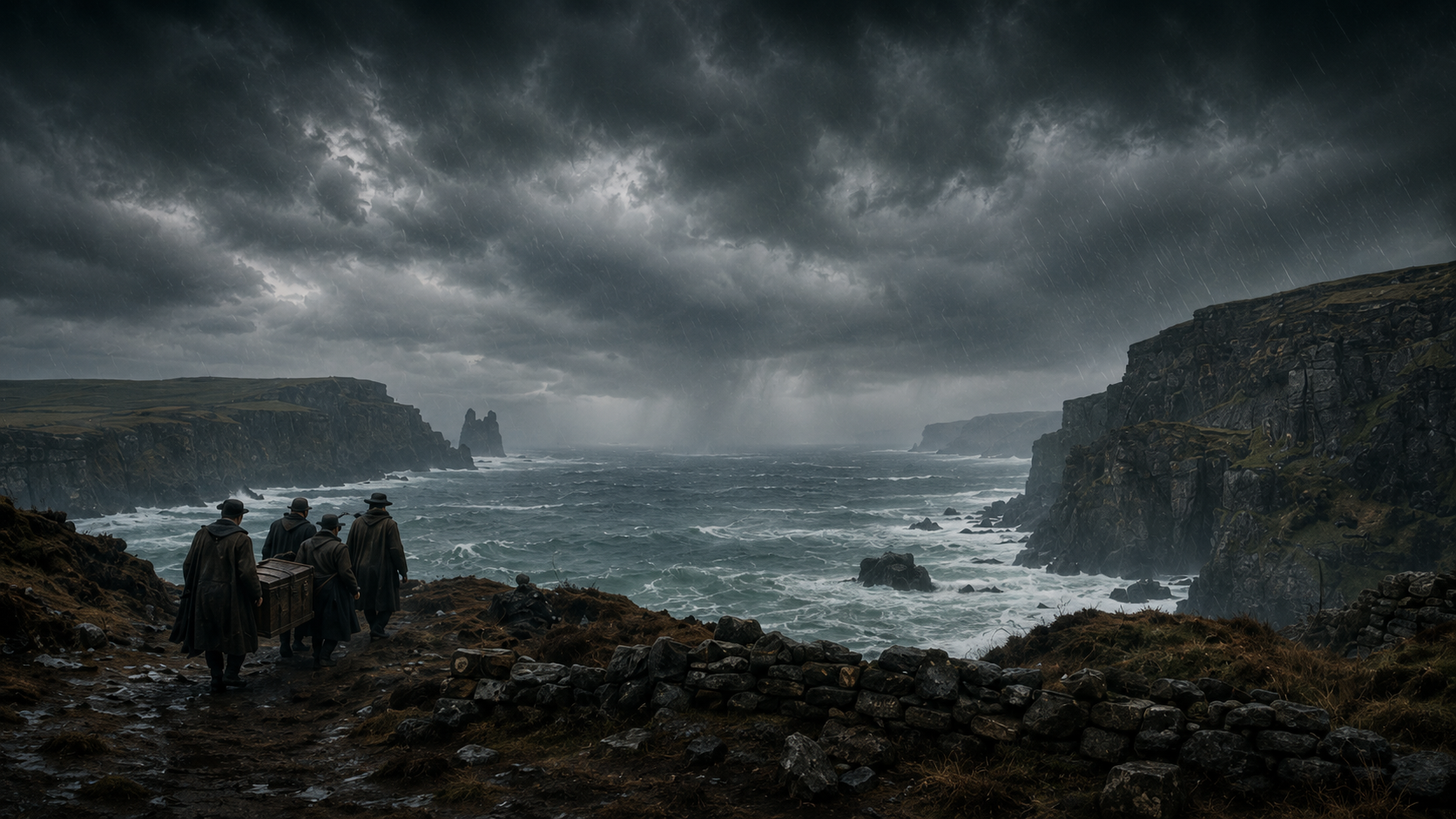
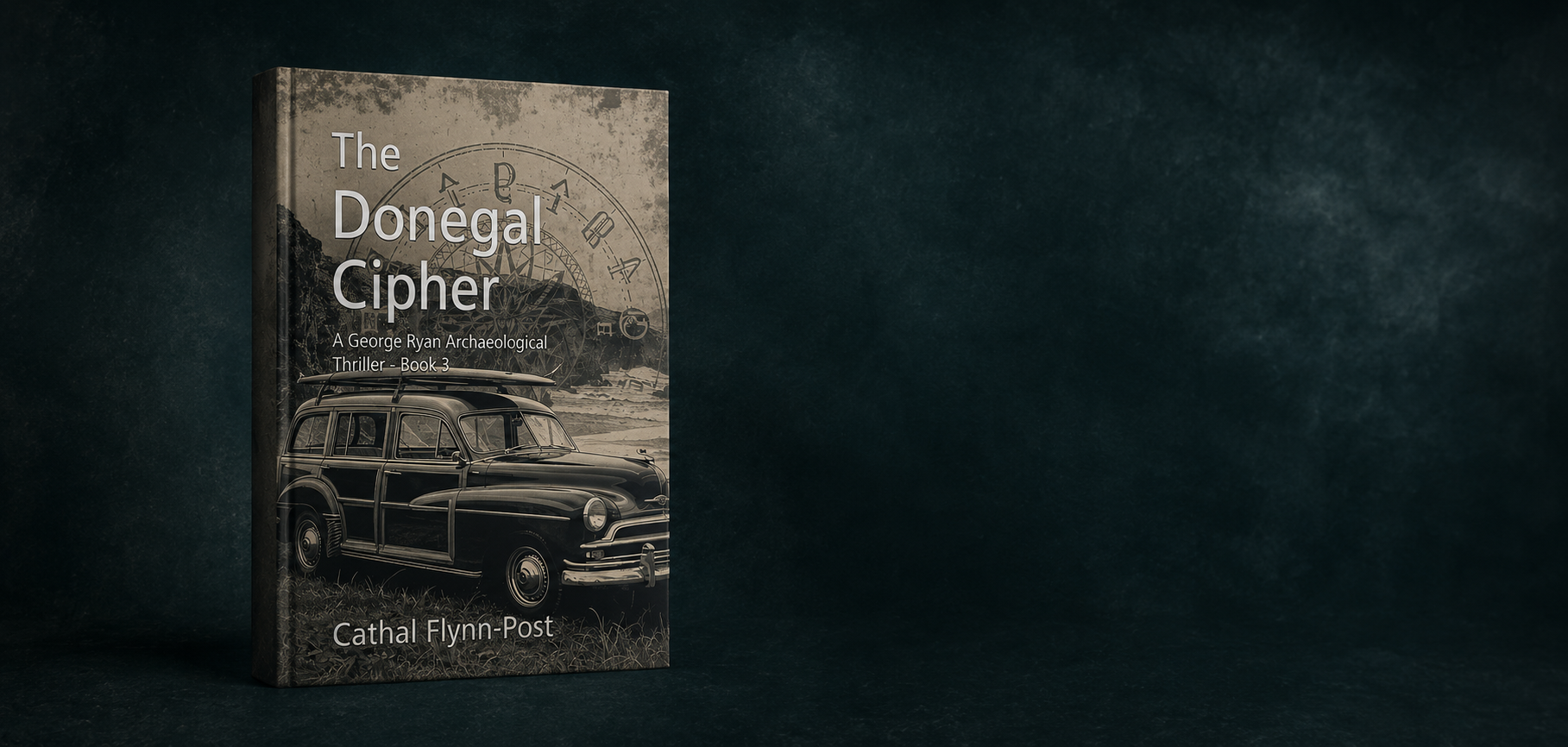
The Donegal Cipher begins with the death of Colm O’Neill and the discovery of a secret he had protected for years: an ancient manuscript, a mysterious cipher wheel and a legacy reaching back to the Flight of the Earls in 1607. As George and Áine attempt to uncover what Colm left behind, their search carries them from the rugged coast of Donegal to Bundoran, Mullaghmore, the Isle of Man and the remote shores of Tory Island. What begins as a family mystery soon reveals a hidden story capable of challenging long-held beliefs about Ireland’s past and its political future.
Once again, Professor Jasminder “Jazz” Grewal brings his archaeological knowledge and instinct for the past to the investigation. Alongside George, Áine and Irene, Jazz helps decipher the clues concealed within the manuscript and understand the significance of the artefacts connected to it. But the closer they come to the truth, the clearer it becomes that they are not the only ones searching. Rooted in real history, dramatic Atlantic landscapes and the enduring legacy of the O’Donnell clan, The Donegal Cipher is a story of inheritance, loyalty and a secret powerful enough to remain dangerous after four centuries.
THE O’DONNELL LEGACY
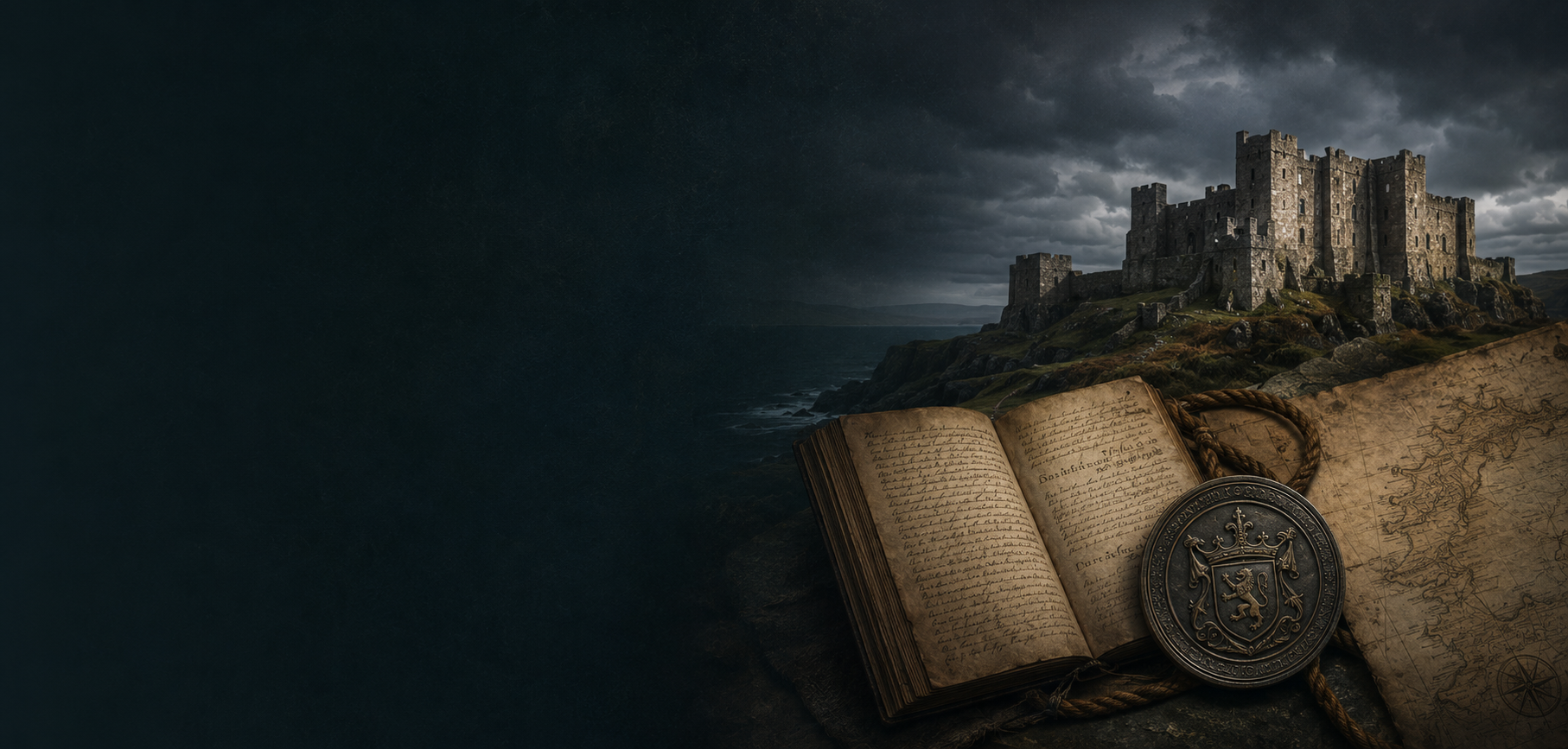
The O’Donnell legacy is rooted in Tír Chonaill, the ancient Gaelic kingdom that covered much of present-day Donegal. For centuries, the clan ruled the territory from their stronghold at Donegal Castle and resisted outside control. Their most celebrated leader, Red Hugh O’Donnell, became a symbol of that resistance during the Nine Years’ War. After his death, his brother Rory inherited the chieftainship and was later recognized as the Earl of Tyrconnell. Rory’s departure from Ireland during the Flight of the Earls in 1607 marked the collapse of the old Gaelic order, but it did not erase the O’Donnells’ claim, their influence or the loyalty they inspired.
In The Donegal Cipher, that unfinished history becomes the foundation of the mystery. A manuscript, cipher wheel and concealed chest preserve a message entrusted to those who remained loyal to the O’Donnell cause. Passed quietly through generations, the secret represents more than lost treasure. It is evidence of a legacy deliberately protected from those who rewrote Ireland’s history after the earls departed. When George, Áine, Jazz and Irene begin decoding what Colm O’Neill left behind, they discover that the O’Donnell legacy is not merely a story from 1607. It is an inheritance with the power to challenge the present.
HUGH ‘SHUGGY’ O’DONNELL
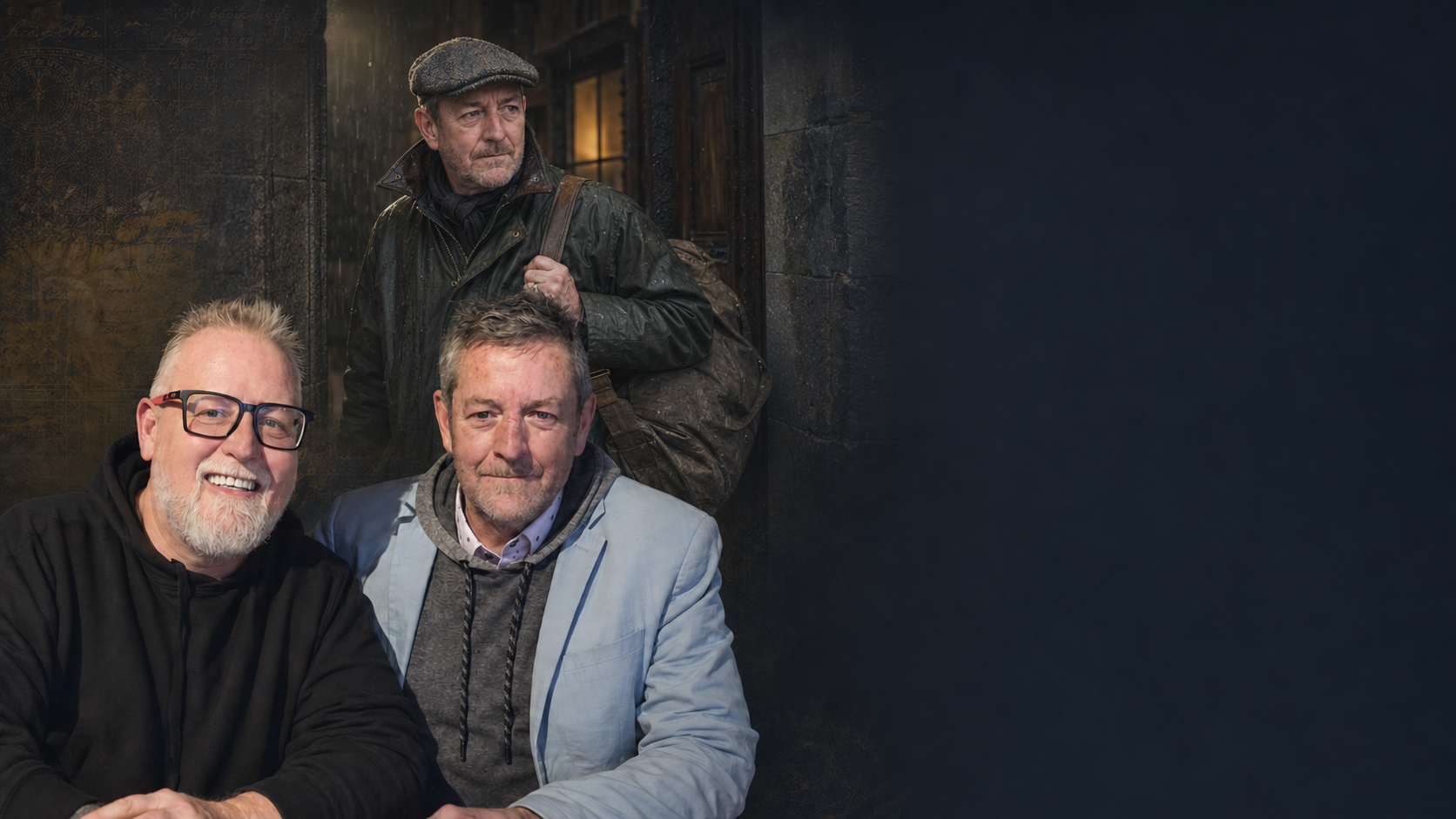
Hugh “Shuggy” O’Donnell is a good friend of mine from Oakville and one of the earliest supporters of my writing. He has read each of my books, offered the kind of honest feedback every writer needs and rarely leaves on vacation without taking one of my novels with him. When my research for The Donegal Cipher led me into the history of the O’Donnell clan, their rule in Tír Chonaill and the Flight of the Earls, I knew there had to be a place in the story for a character inspired by Shuggy. Originally from Scotland, Shuggy can trace his family roots back to Donegal. As I researched the history of the O’Donnell clan, I could think of no better addition to The Donegal Cipher than a real Hugh O’Donnell.
The rendering of Shuggy carrying a canvas bag and wearing a flat cap, brings the real and fictional versions of Shuggy together. The photograph shows the two of us outside the story, while the second image recreates his character’s arrival at the Brandon House. He appears out of the Irish drizzle wearing an olive-green waxed jacket and Donegal tweed flat cap, carrying a battered canvas duffel. It is the moment a longtime friend of Áine’s father, Colm, steps into George and Áine’s world and becomes part of the mystery surrounding the O’Donnell legacy. The fictional Shuggy is not intended as an exact portrait, but his loyalty, humour and unmistakable presence owe a great deal to the friend who inspired him.
THE CIPHER
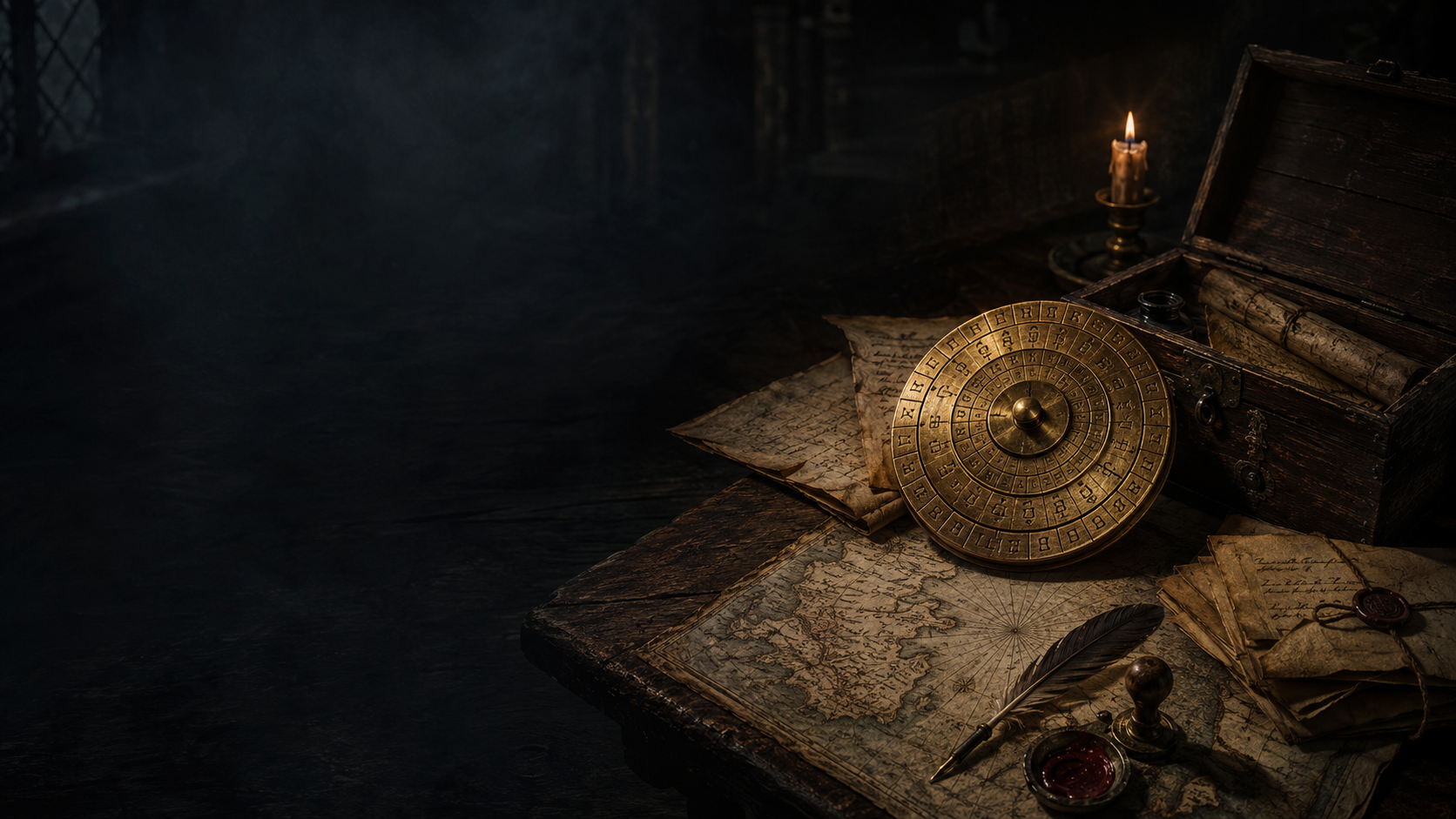
Ciphers have been used for thousands of years to protect military orders, diplomatic correspondence, religious knowledge and political secrets. Some of the earliest possible examples appear in ancient Egypt, where scribes used unusual hieroglyphic forms that obscured the meaning of inscriptions. The Spartans later used the scytale, a strip of material wrapped around a wooden staff so that its message could be read only when wound around a staff of the correct size. By the Renaissance, cipher systems had become far more sophisticated. Around 1470, Leon Battista Alberti described a rotating cipher disk that allowed one alphabet to be shifted against another, making a device like the wheel in The Donegal Cipher historically believable for a secret created in 1607.
For archaeologists, an enciphered manuscript or inscribed artefact presents two connected mysteries. Its physical materials, handwriting, construction and burial context can reveal when and where it was created, but understanding its message requires researchers to reconstruct the system used to conceal it. In The Donegal Cipher, the manuscript, cipher wheel and hidden chest preserve a secret connected to the O’Donnell clan and the Flight of the Earls. George, Áine, Jazz and Irene must study the artefacts as archaeological evidence while gradually unlocking the message concealed within them. The cipher does more than hide information. It allows the O’Donnell secret to survive for four centuries, protected from enemies who might have destroyed it and waiting for someone capable of understanding its historical significance.
THE FLIGHT OF THE EARLS
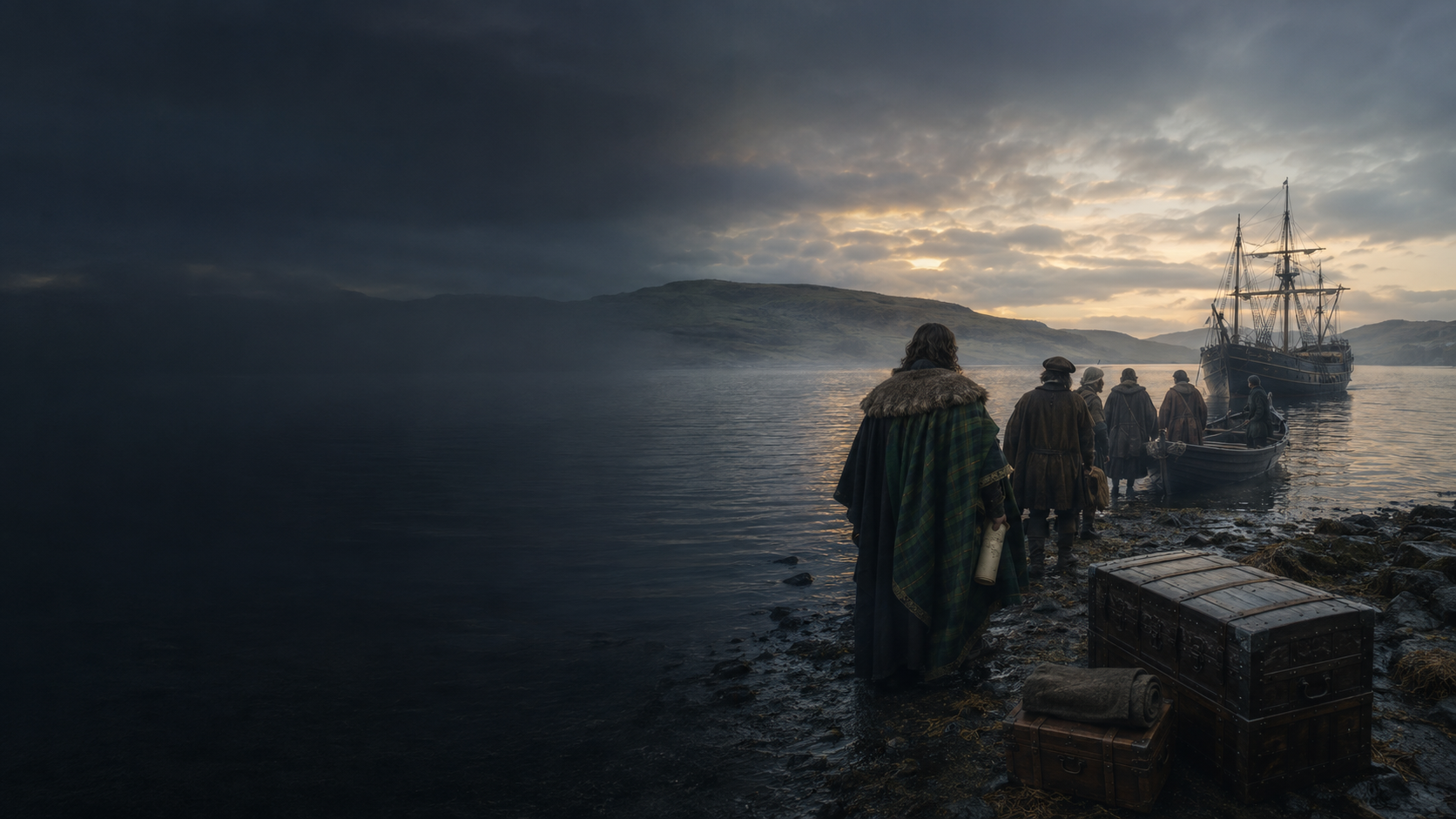
On 14 September 1607, Hugh O’Neill, Earl of Tyrone, and Rory O’Donnell, Earl of Tyrconnell, sailed from Rathmullan on the shores of Lough Swilly. Accompanied by Cúchonnacht Maguire, members of their families and dozens of followers, they left Ireland aboard a small vessel bound for Spain. The departure came four years after the Nine Years’ War had ended with the Treaty of Mellifont. Although the earls had retained their titles, their traditional authority was steadily being weakened and they feared further action by the English Crown. Historians continue to debate whether their departure was an escape from imminent arrest or an attempt to secure European support for a return to Ireland.
Storms prevented the ship from reaching Spain, forcing the exiles to land in France. They continued across Europe before eventually arriving in Rome, where Rory O’Donnell died in 1608 and Hugh O’Neill remained until his death in 1616. Neither returned to Ireland. Their departure became known as the Flight of the Earls and came to symbolize the end of the old Gaelic political order. The lands associated with the Ulster lords were subsequently confiscated by the Crown, helping clear the way for the Plantation of Ulster and permanently altering the political and cultural landscape of the province.
In The Donegal Cipher, this real moment of uncertainty provides the historical foundation for the mystery. The novel imagines that the O’Donnell departure was not the end of the story. Before leaving Ireland, a manuscript, cipher wheel and concealed chest are entrusted to loyal supporters who remain behind. Together, they preserve a message connected to the O’Donnell legacy, protected by a code designed to keep it from the Crown and from anyone who might use its contents for their own purposes.
Four centuries later, the secret passes into the hands of Colm O’Neill and eventually draws George, Áine, Jazz and Irene into the investigation. As they decipher the manuscript, the Flight of the Earls becomes more than a distant historical event. It becomes the beginning of an unfinished story, one whose political meaning and consequences may still reach into the present. In The Donegal Cipher, the earls may have left Ireland, but a carefully hidden part of their legacy remained behind.
BUNDORAN ❖ MULLAGHMORE ❖ ISLE OF MAN ❖ TORY ISLAND
BUNDORAN
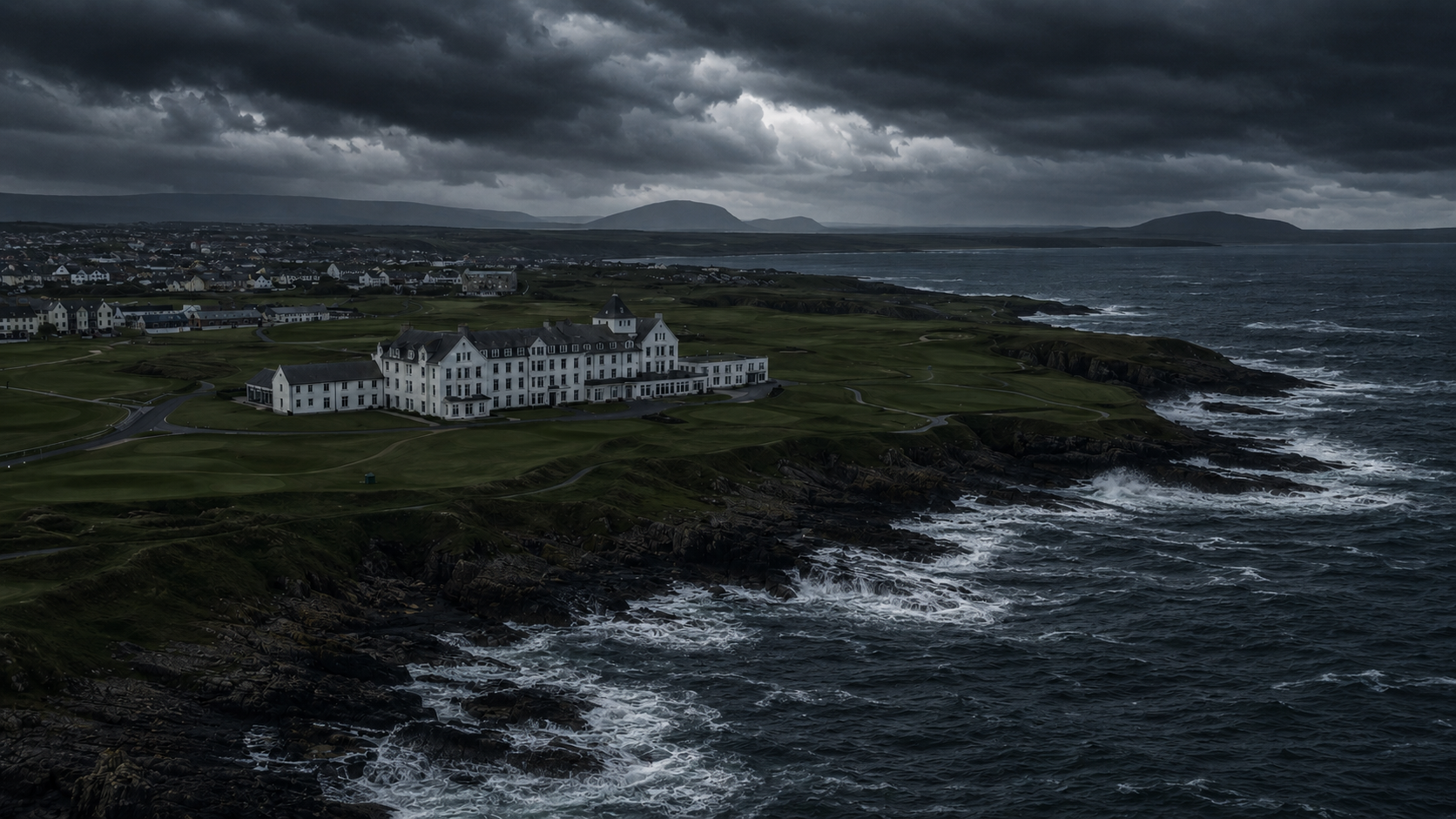
Bundoran serves as the principal Donegal base in The Donegal Cipher. George, Áine, Jazz and Irene stay at the Great Northern Hotel, perched above the Atlantic and surrounded by the windswept fairways of its golf course. From there, they begin examining Colm O’Neill’s manuscript, the cipher wheel and the O’Donnell mystery he left behind. The town’s position on Donegal’s southern coast gives them access to the places connected to their investigation, while its turbulent winter weather reflects the growing danger surrounding them.
Bundoran also brings one of George and Áine’s shared passions into the story. Known as one of Ireland’s leading surf towns, it places them beside a powerful and unpredictable Atlantic, with nearby Mullaghmore drawing them farther along the coast. The contrast between the modern surf community and the centuries-old history concealed within the landscape captures one of the novel’s central ideas: the past is never as distant as it appears. In Bundoran, the investigation moves beyond family history and becomes a journey into the unresolved legacy of the O’Donnell clan.
MULLAGHMORE
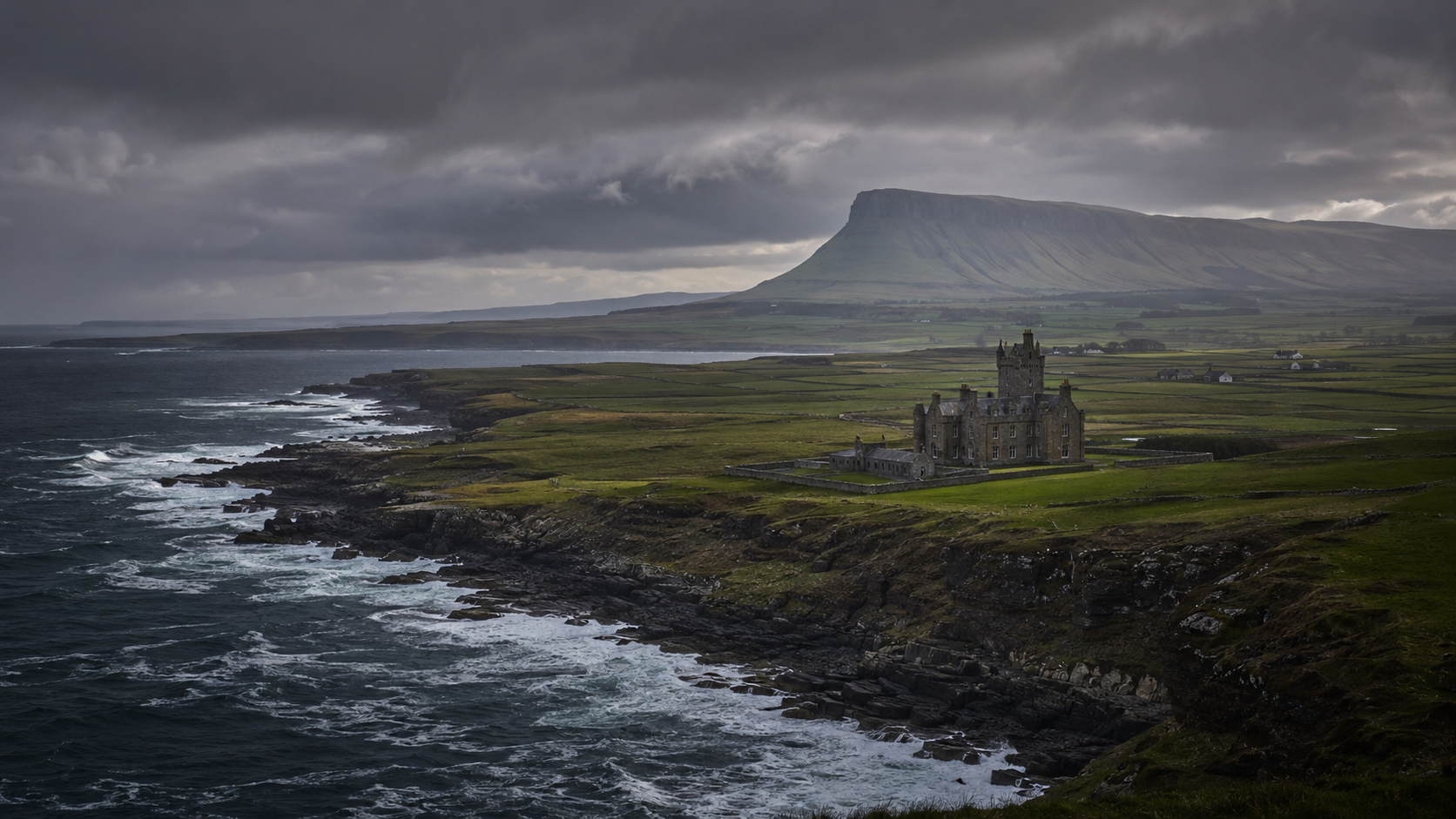
Mullaghmore is a dramatic Atlantic headland in County Sligo, known for its sweeping coastline, powerful waves and the unmistakable silhouette of Classiebawn Castle. Although it lies south of the Donegal border, its windswept landscape forms an important part of the novel’s northern setting. The exposed coastline, shaped continually by storms and erosion, makes it a believable place for the past to emerge unexpectedly from beneath the earth.
In The Donegal Cipher, coastal erosion reveals a previously unrecorded dolmen on the Mullaghmore headland. The fictional monument immediately attracts the group’s attention when its carvings match symbols found in Colm O’Neill’s manuscript. Using ground-penetrating radar, Jazz discovers an artificial chamber beneath the stones, which was reopened and carefully sealed during the seventeenth century. Inside, the group uncovers a chest connected to the O’Donnell legacy and the Flight of the Earls. Its contents provide the next crucial piece of the cipher and direct the investigation across the Irish Sea to the Isle of Man. Mullaghmore is therefore where Colm’s research becomes physical evidence, transforming the mystery from a collection of notes into a journey through the hidden landscape of Irish history.
ISLE OF MAN
The Isle of Man occupies a unique position in the Irish Sea, lying between Ireland, Scotland, England and Wales. Its landscape and culture reflect centuries of Celtic and Norse influence, preserved in ancient burial sites, stone monuments and Manx folklore. Historically connected to the sea routes travelled by traders, settlers and exiles, the island provides a natural crossroads between the Gaelic world of Donegal and the wider history surrounding the O’Donnell legacy.
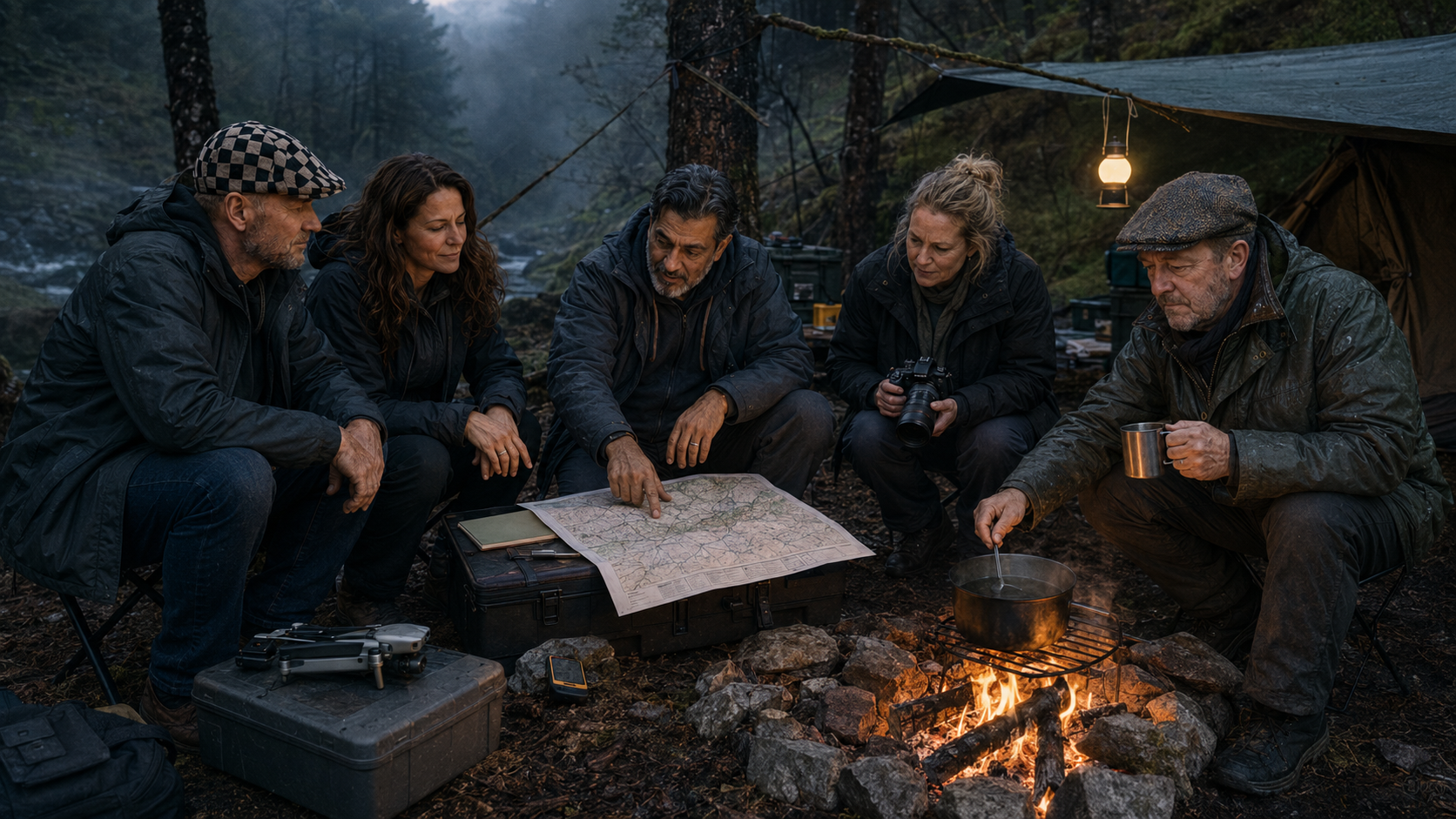
In The Donegal Cipher, evidence discovered at Mullaghmore directs George, Áine, Jazz, Irene and Shuggy across the Irish Sea to the Isle of Man. Their search leads them into Ballure Glen, where they establish a temporary camp and use maps, drone surveys and archaeological techniques to follow the next stage of the cipher. The island is more than another location in the investigation. Its position between nations reflects the journey of a secret carried beyond Ireland for protection, while its wooded glens and layered history conceal another vital piece of the mystery Colm O’Neill left behind.
TORY ISLAND
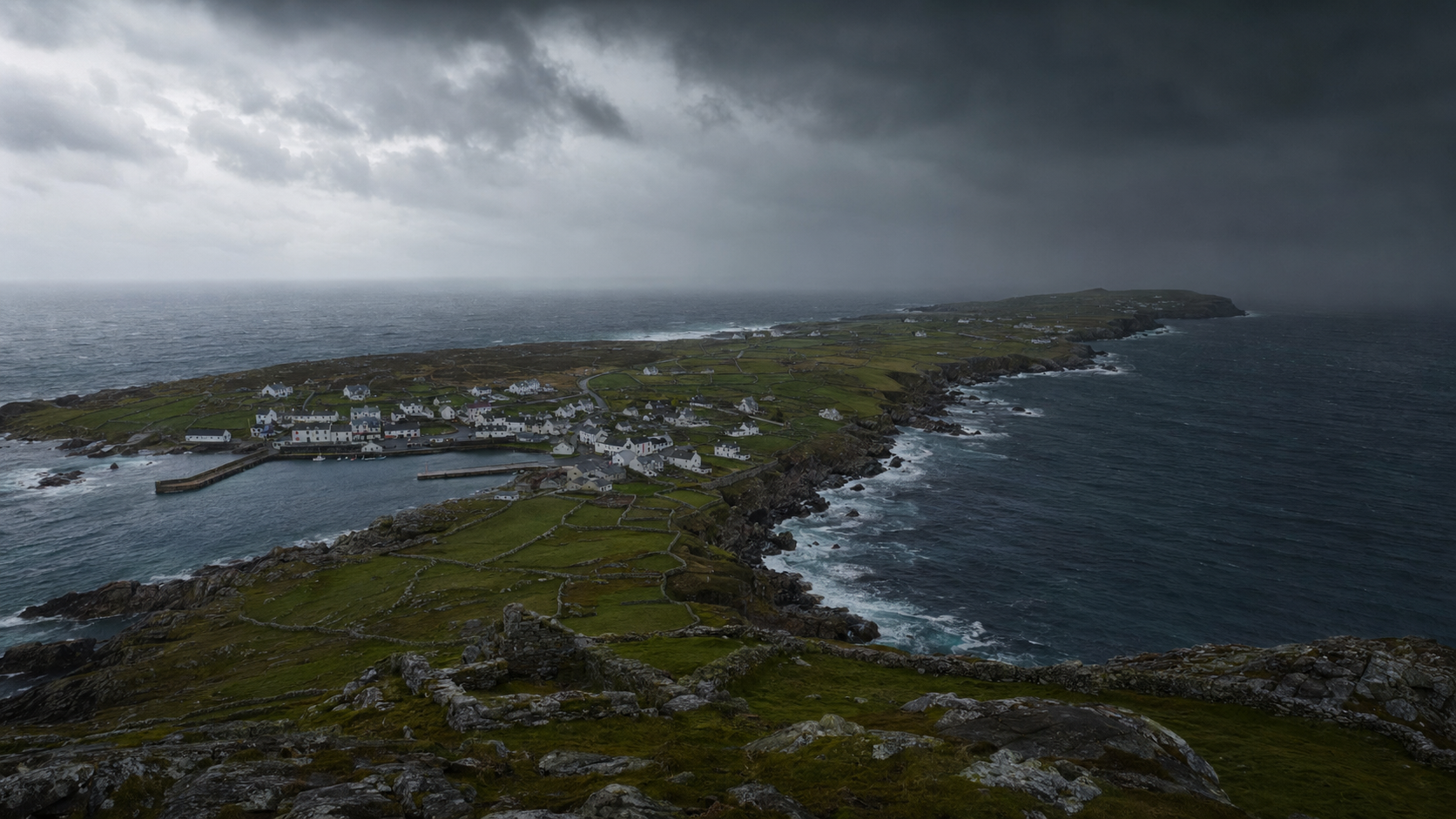
Tory Island lies roughly twelve kilometres off the coast of Donegal, exposed to the full force of the North Atlantic. Known in Irish as Toraigh, the island has preserved a strong Irish-speaking culture alongside layers of mythology, early Christian history and centuries of seafaring tradition. Its rugged cliffs, ancient Tau Cross and the remains of its round tower give Tory the atmosphere of a place where faith, folklore and history have long existed side by side. Its isolation has also allowed traditions and stories to survive far from the political changes that transformed mainland Ireland.
In The Donegal Cipher, Tory Island becomes a crucial destination in George, Áine, Jazz, Irene and Shuggy’s investigation. The clues carried from Donegal through Mullaghmore and the Isle of Man eventually draw them back toward one of Ireland’s most remote communities. Tory’s historic connections to the O’Donnell clan, combined with its isolation, make it an ideal place for part of their legacy to have been concealed and protected. Here, the cipher’s scattered pieces begin to form a complete message, bringing the group closer to the truth Colm O’Neill spent years trying to uncover. Tory Island is not simply the final stop on their journey. It is where the mystery returns to its Donegal roots and the past can no longer remain hidden.
RETURN TO
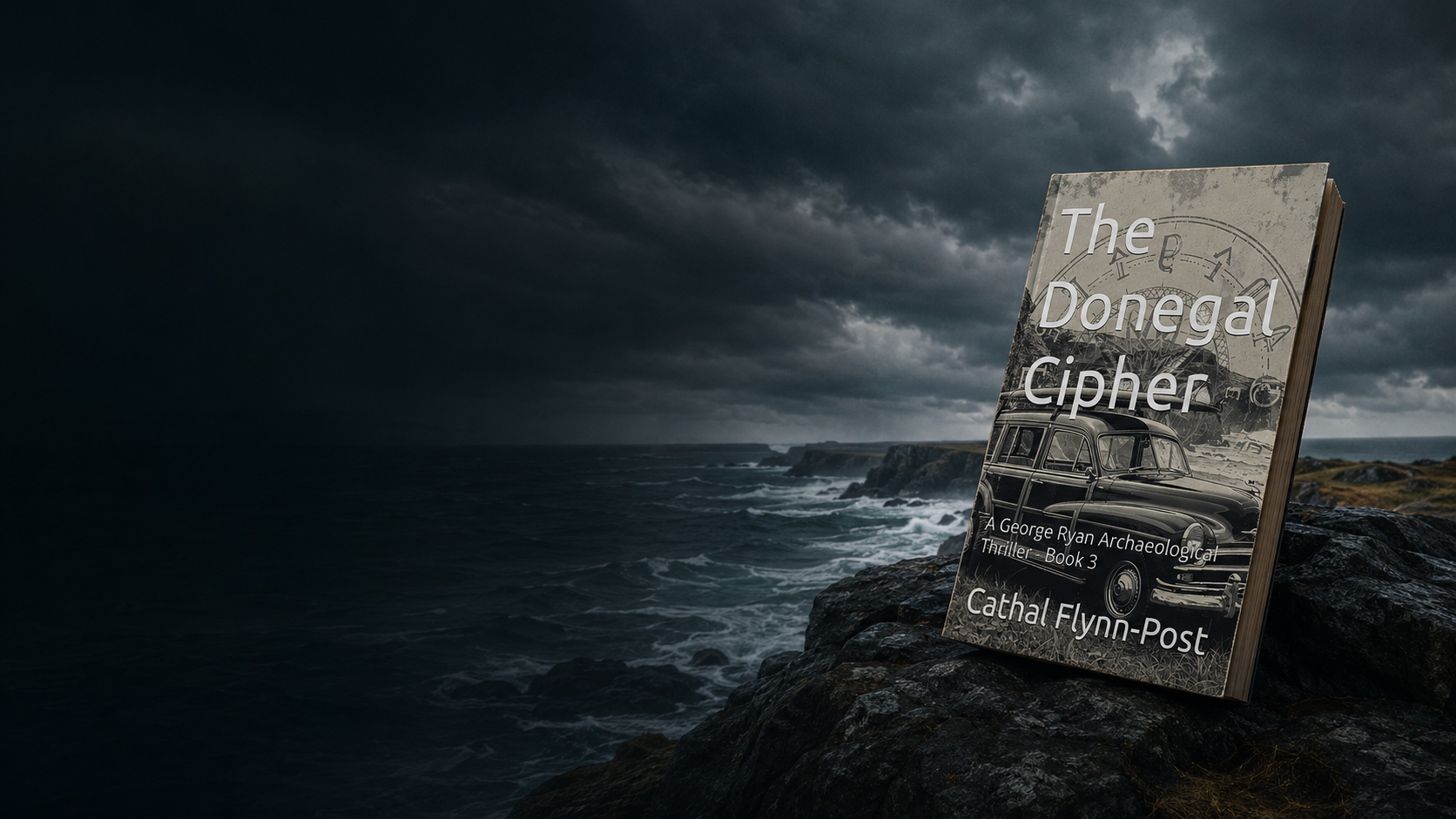
THE DONEGAL CIPHER